Thymidylate synthase catalyzes the methylation of deoxyuridylate to deoxythymidylate using 5,10-methylenetetrahydrofolate (methylene-THF) as a cofactor. This function maintains the dTMP (thymidine-5-prime monophosphate) pool critical for DNA replication and repair. The enzyme has been of interest as a target for cancer chemotherapeutic agents. It is considered to be the primary site of action for 5-fluorouracil, 5-fluoro-2-prime-deoxyuridine, and some folate analogs. Expression of this gene and that of a naturally occurring antisense transcript rTSalpha vary inversely when cell-growth progresses from late-log to plateau phase. Diseases associated with Thymidylate synthase include Rectal Neoplasm and Dihydropyrimidine Dehydrogenase Deficiency. Anti-Thymidylate synthase is useful for researchers interested in Circadian Rhythm, Metabolism and cell cycle research.
Anti-THYMIDYLATE SYNTHASE was purified from rabbit serum after repeated immunizations with recombinant human Thymidylate Synthase (36 kDa) produced in E.coli.
来源宿主
Sheep
反应性
H. sapiens (Human)
保存建议
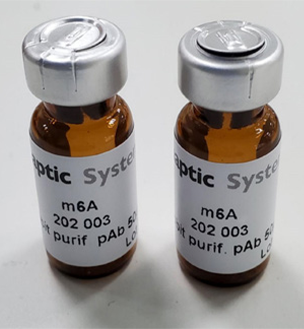
Store vial at -20° C or below prior to opening. This vial contains a relatively low volume of reagent (25 µL). To minimize loss of volume dilute 1:10 by adding 225 µL of the buffer stated above directly to the vial. Recap, mix thoroughly and briefly centrifuge to collect the volume at the bottom of the vial. Use this intermediate dilution when calculating final dilutions as recommended below. Store the vial at -20°C or below after dilution. Avoid cycles of freezing and thawing.