Anti-Glucose-6-Phosphate Dehydrogenase recognizes the oxidoreductase glucose-6-phosphate dehydrogenase. Found in the cytosol, glucose-6-phosphate dehydrogenase is responsible for oxidizing glucose-6-phosphate and reducing NADP to NADPH as part of the pentose phosphate pathway. As such, glucose-6-phosphate dehydrogenase is crucial in the maintenance of NADPH levels. A deficiency of glucose-6-phosphate dehydrogenase is a risk factor for non-immune hemolytic anemia. Glucose-6-phosphate dehydrogenase may also play a role in cell growth and proliferation and therefore, cancer.
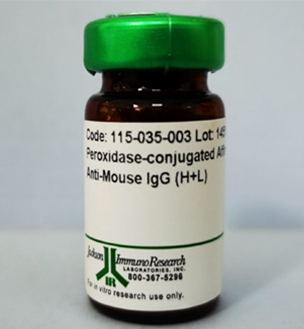
Store vial at -20° C or below prior to opening. This vial contains a relatively low volume of reagent (25 µL). To minimize loss of volume dilute 1:10 by adding 225 µL of the buffer stated above directly to the vial. Recap, mix thoroughly and briefly centrifuge to collect the volume at the bottom of the vial. Use this intermediate dilution when calculating final dilutions as recommended below. Store the vial at -20°C or below after dilution. Avoid cycles of freezing and thawing.